Start with one groove.
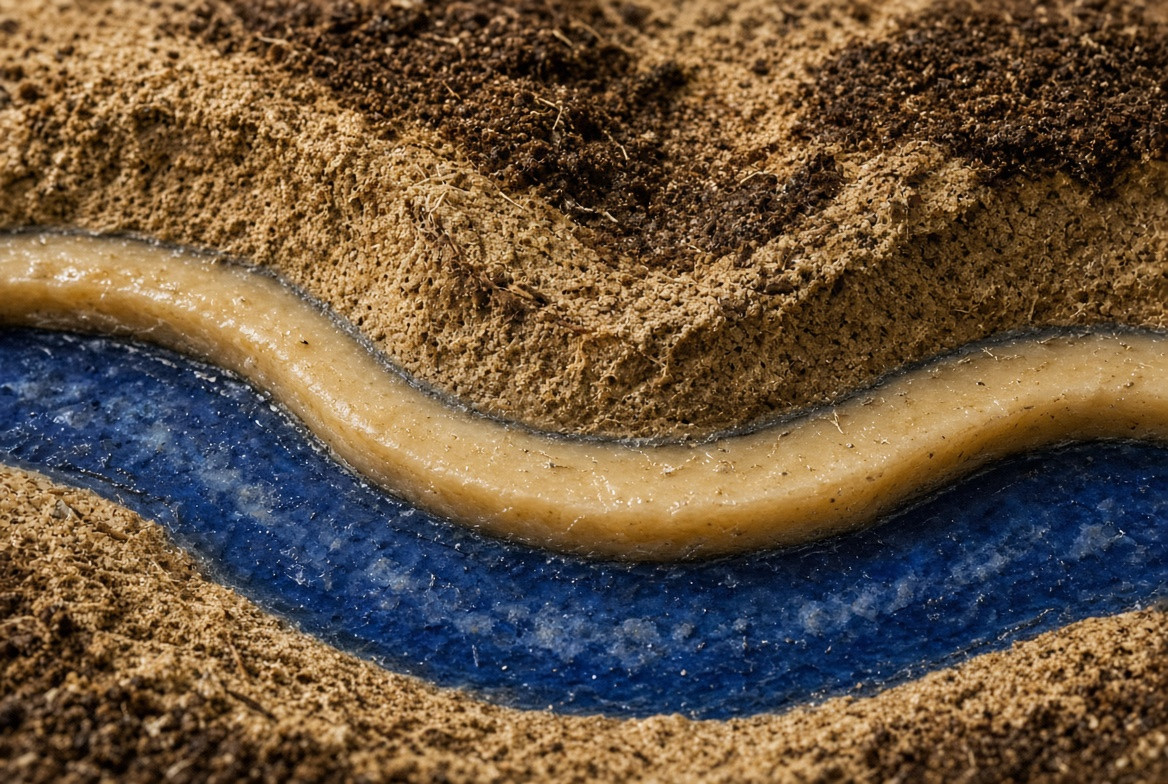
Rootwater is an app-authored landscape-reading experience: an imagined catchment made from wax, pigment, sand, graphite and fiber. Choose a tributary, shift a generalized season or elevation, and notice how an ordinary edge can change what happens downstream.
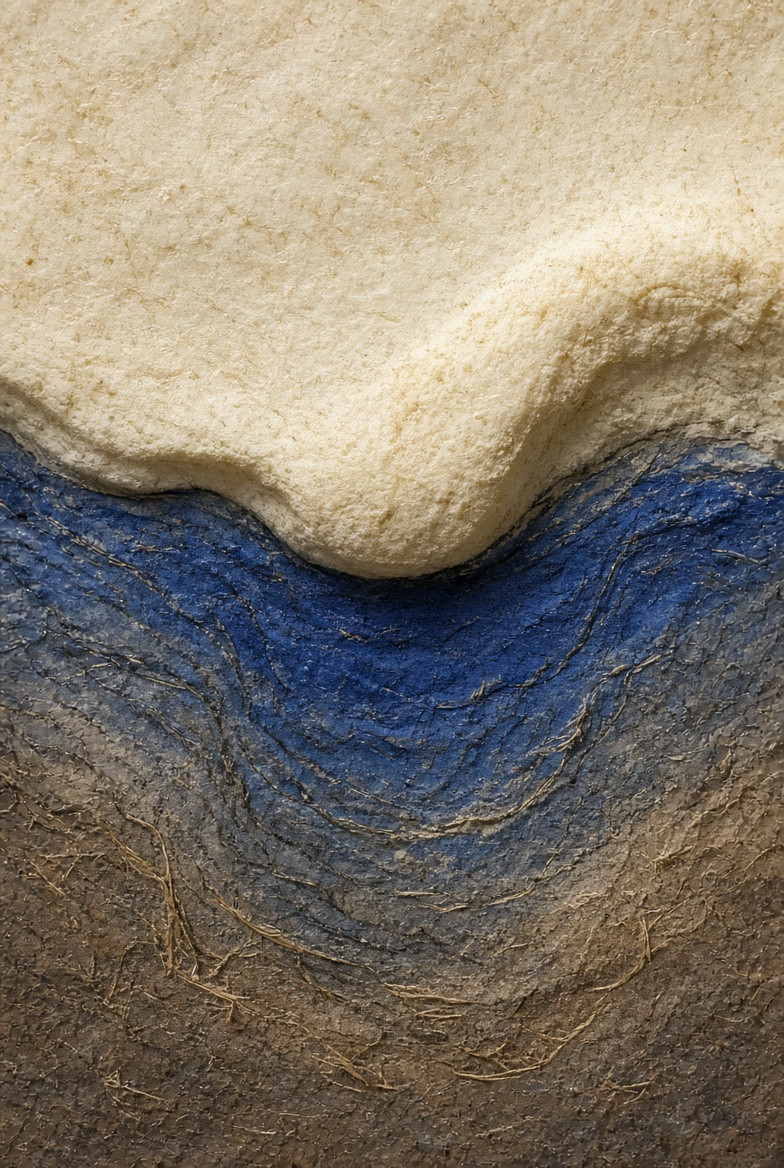
A name at the source
Publicly available information about Friends of the Benzie Conservation District is limited. A public nonprofit record places the organization in a broad environmental-support context, so Rootwater stays close to that narrow record and explores the surrounding conservation domain through original content.
The nearby conservation domain offers a richer idea to explore: land and water are connected through surfaces, slopes, plant cover, low areas, channels and shore edges. Rootwater turns those general relationships into fictional scenes rather than claims about an official program or a real location.
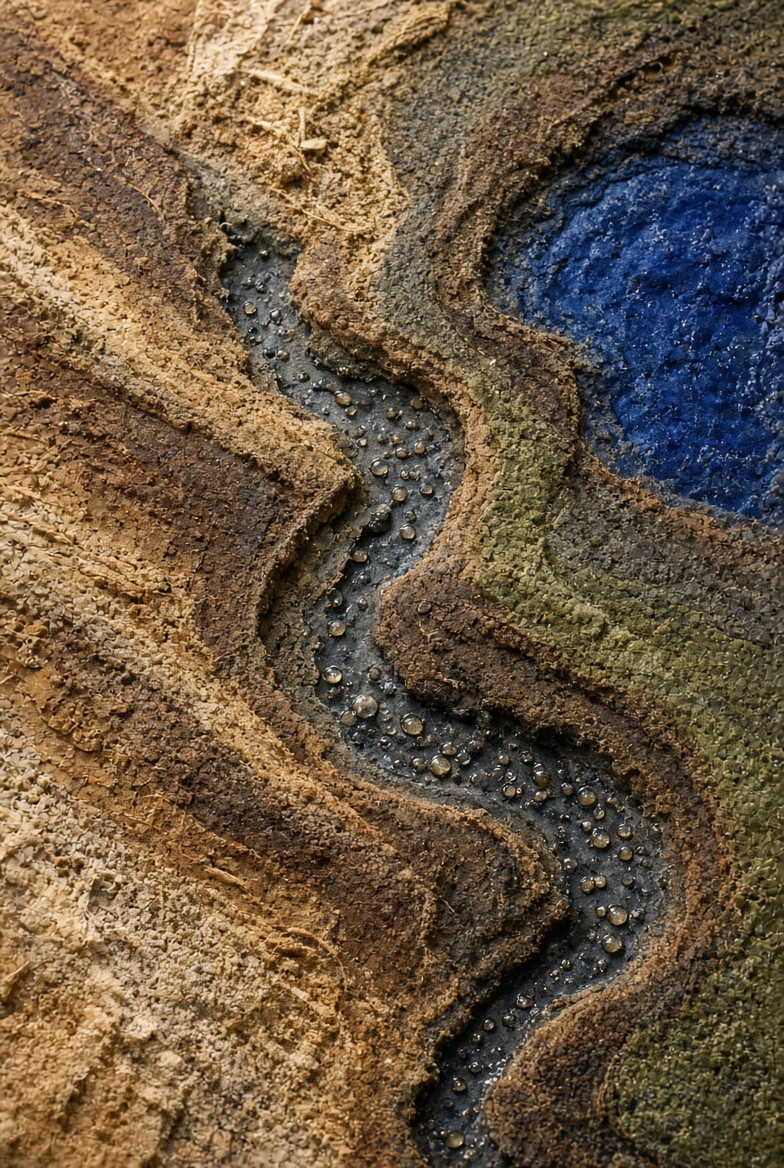
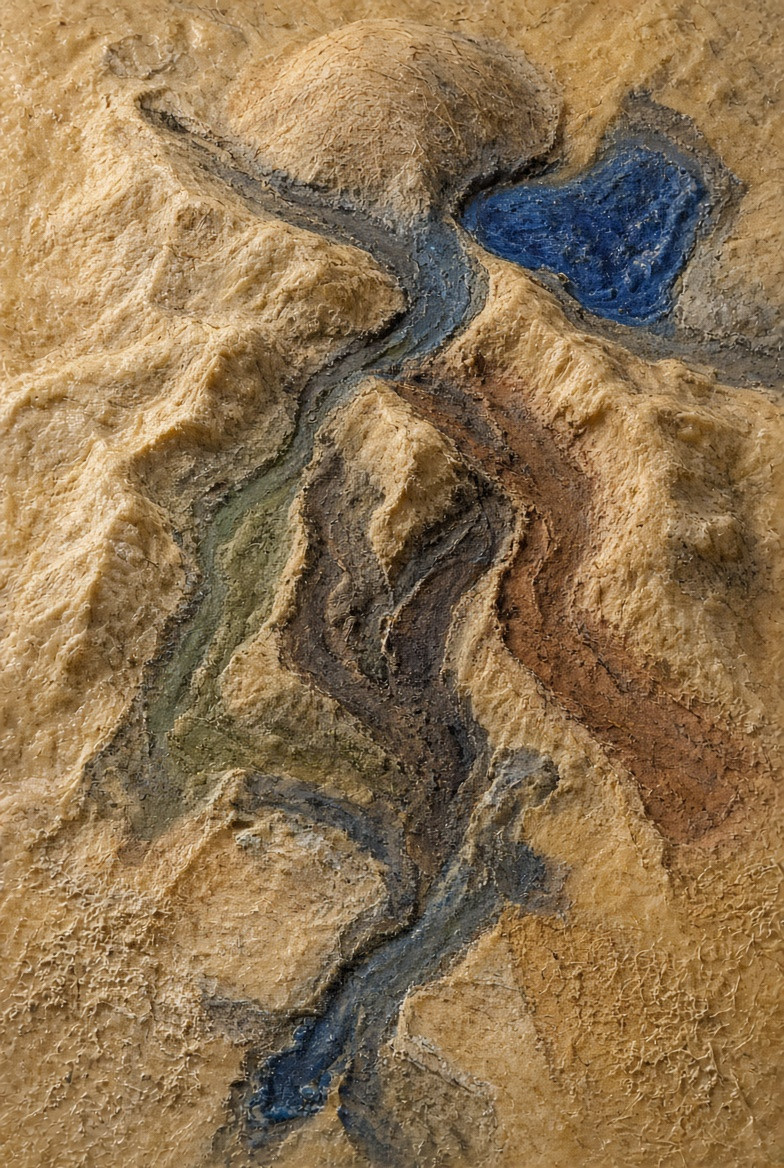
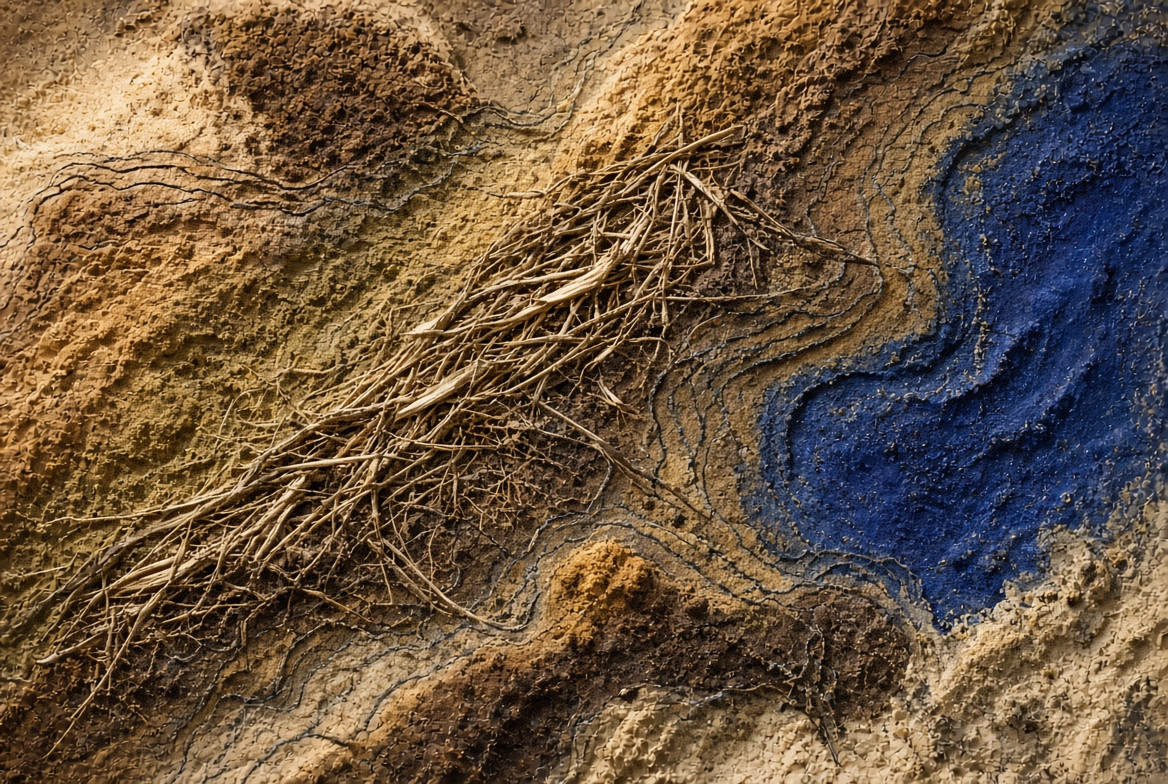
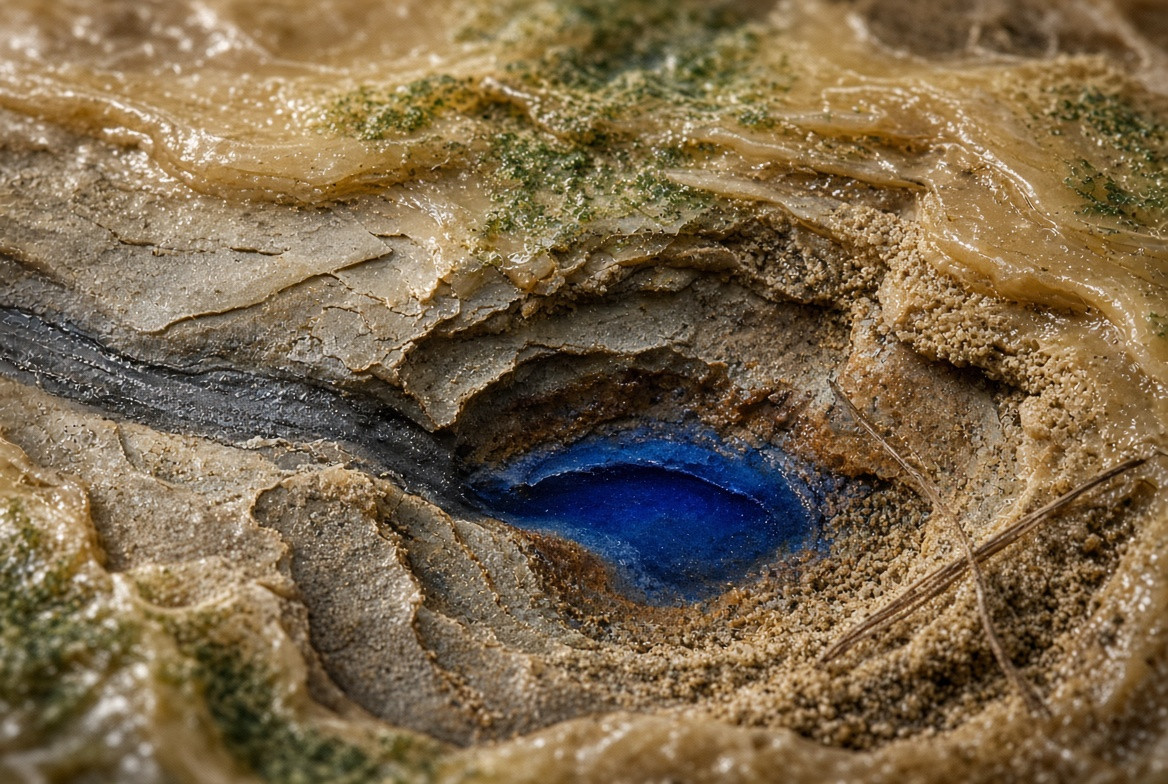
The catchment is imagined. The relationships are useful.
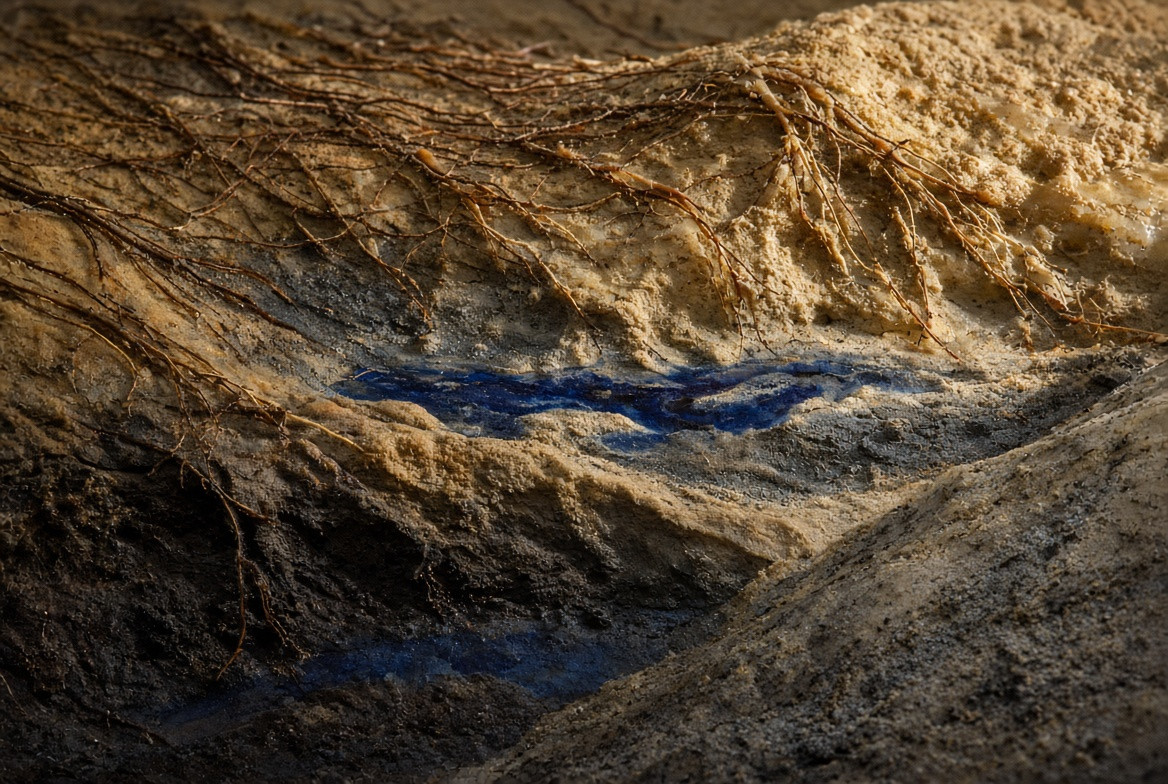
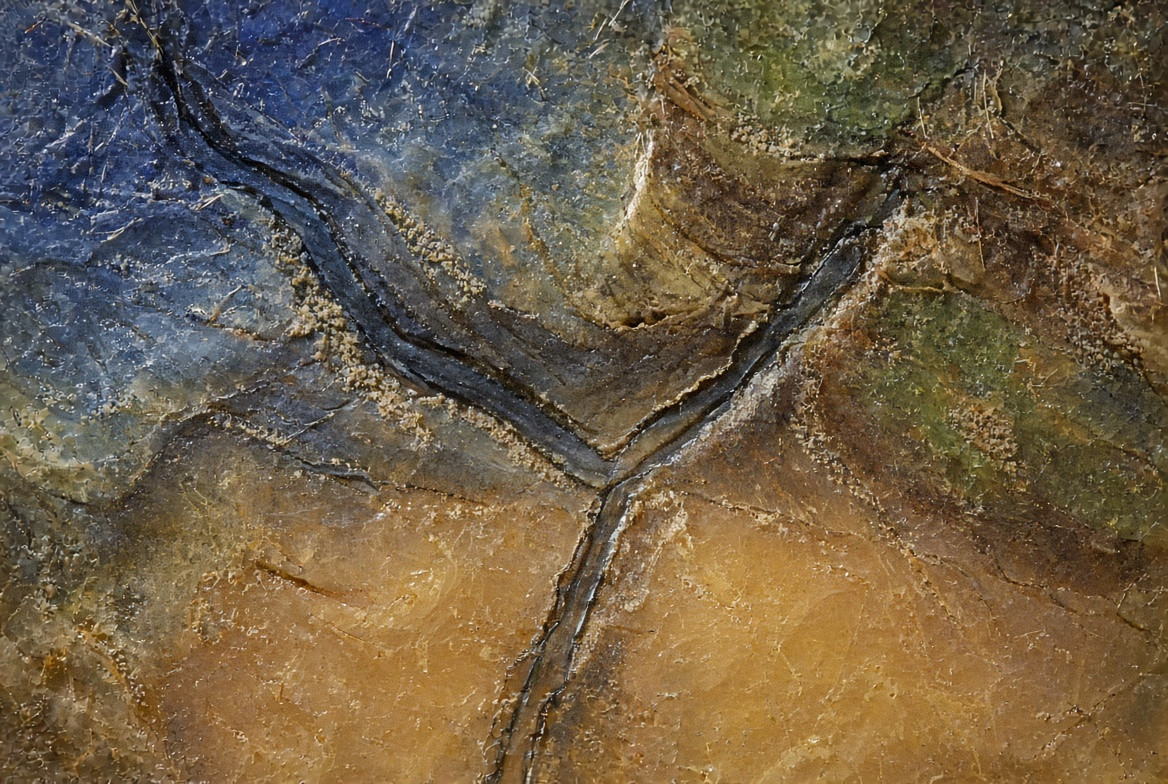
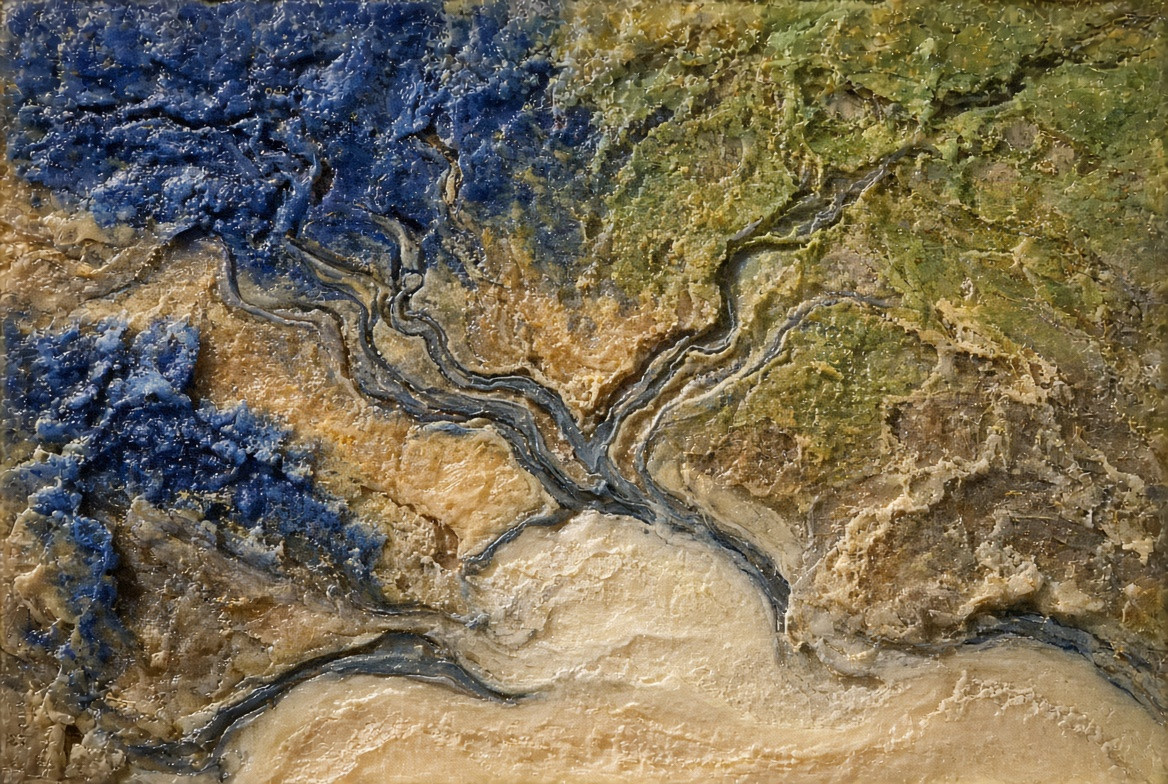
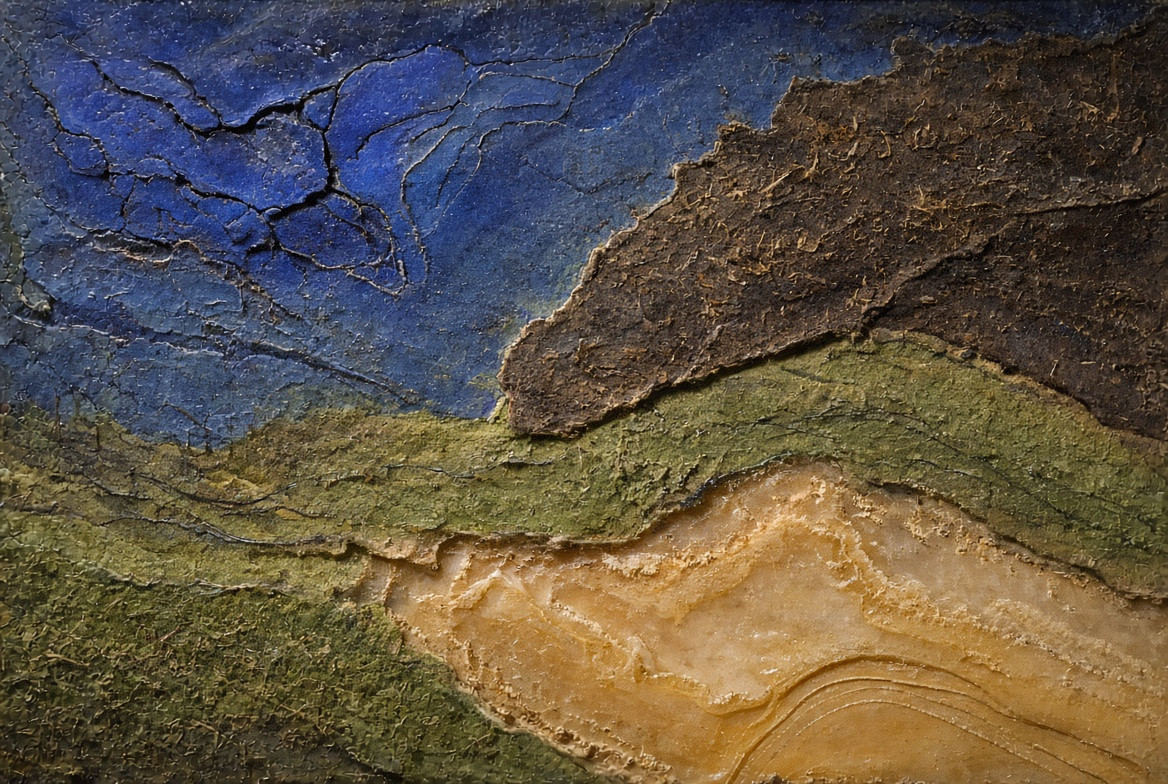
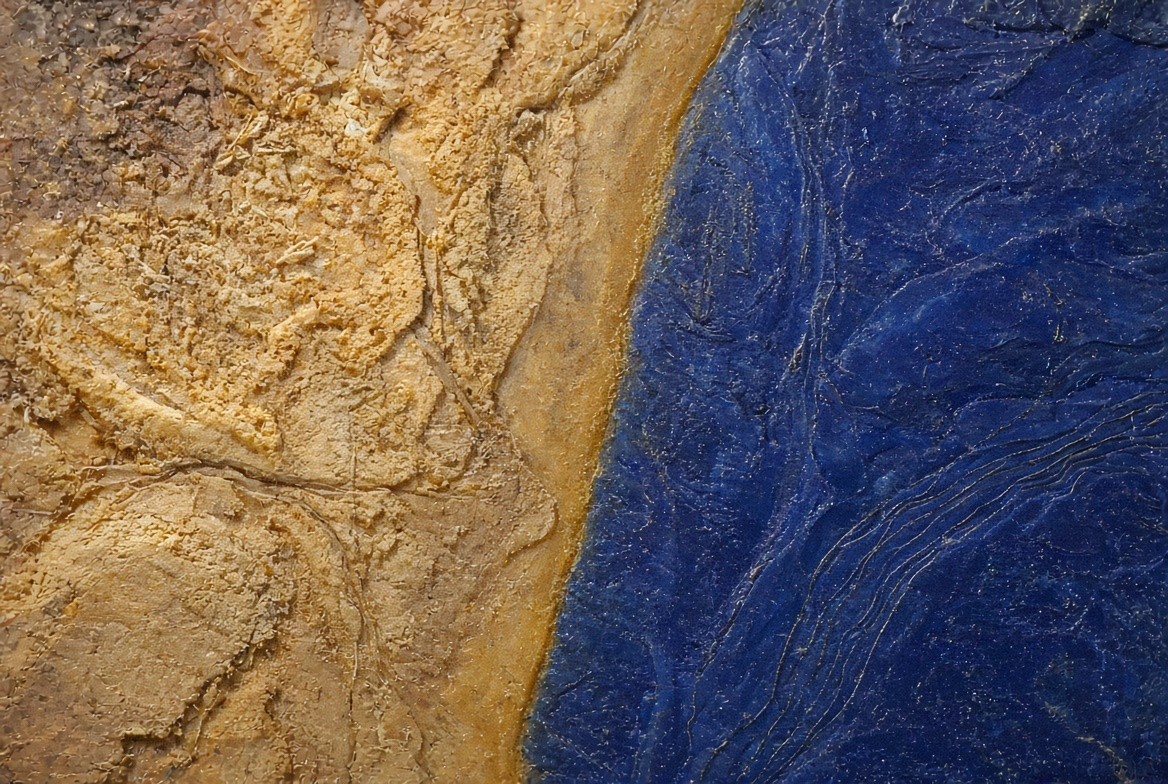
Every photograph belongs to one handmade visual world, but no image is a map, satellite view, parcel, field record or species identification. That freedom lets the app place a rooflike seam beside porous ground, a root mat beside an exposed groove, or a low hollow beside several upstream threads.
Tap directly on a visible fork. The selected relief expands in place while native text names one relationship. The surrounding images remain visible so the question never loses its upstream and downstream context.
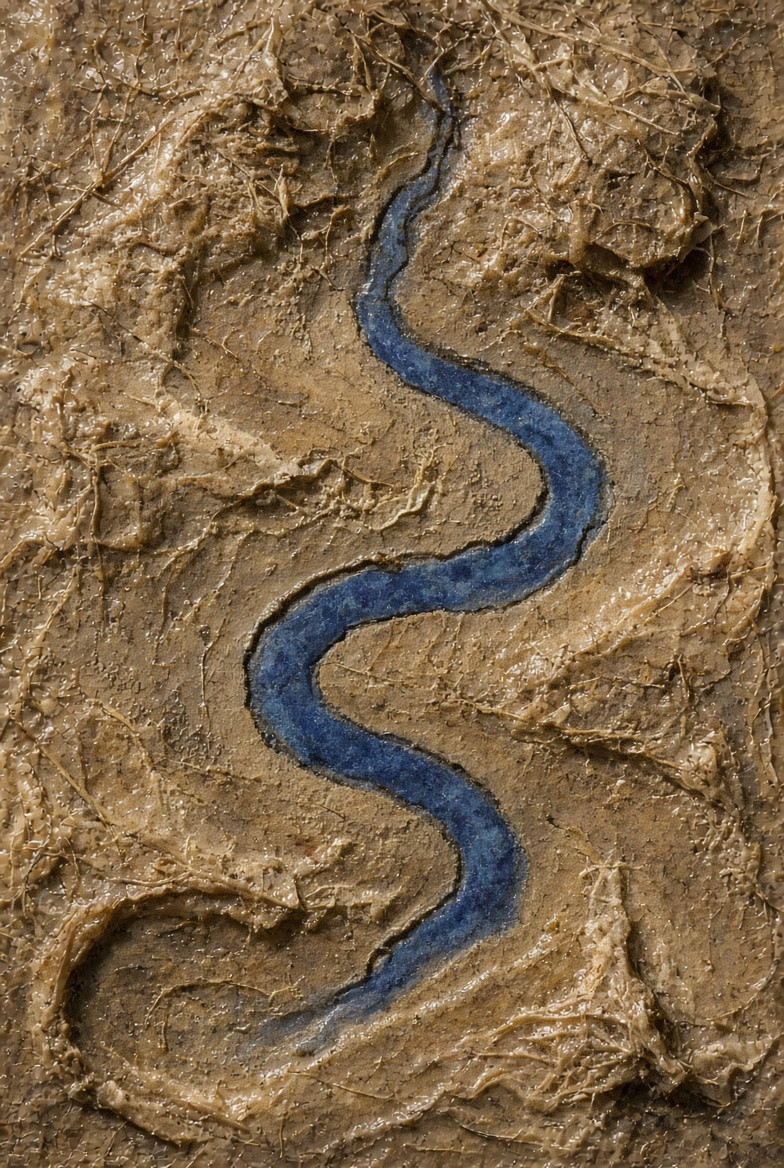
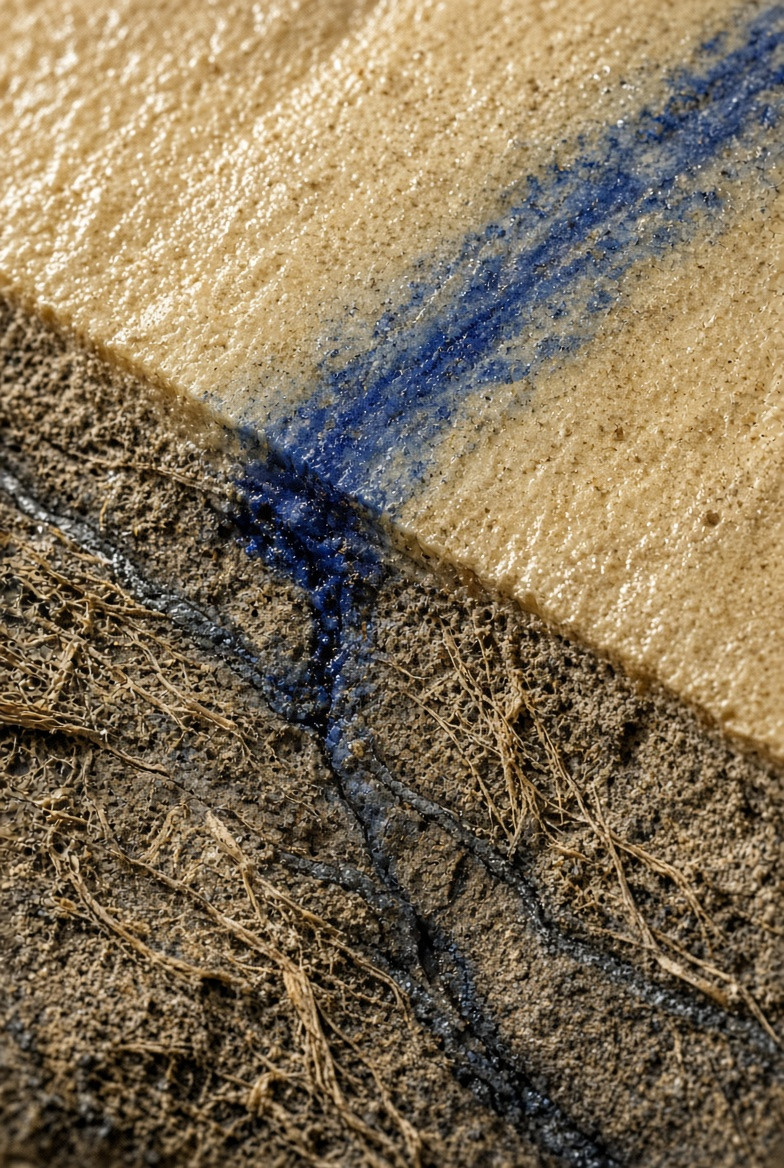
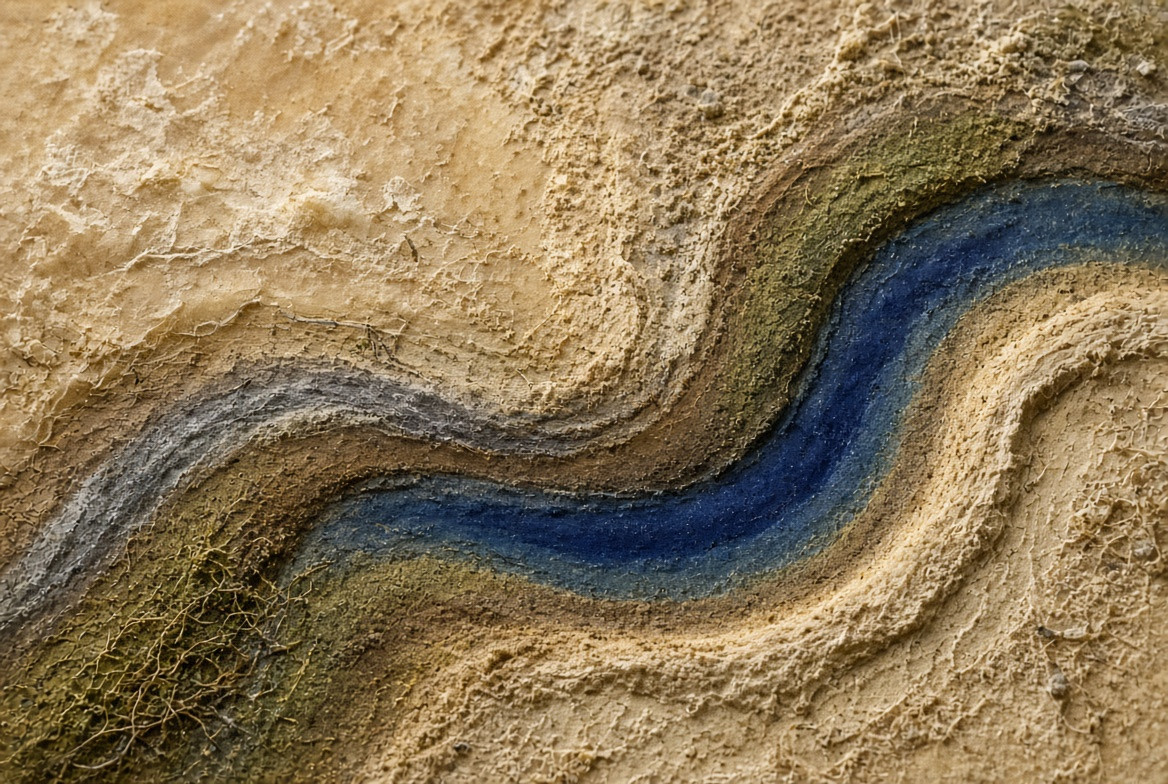
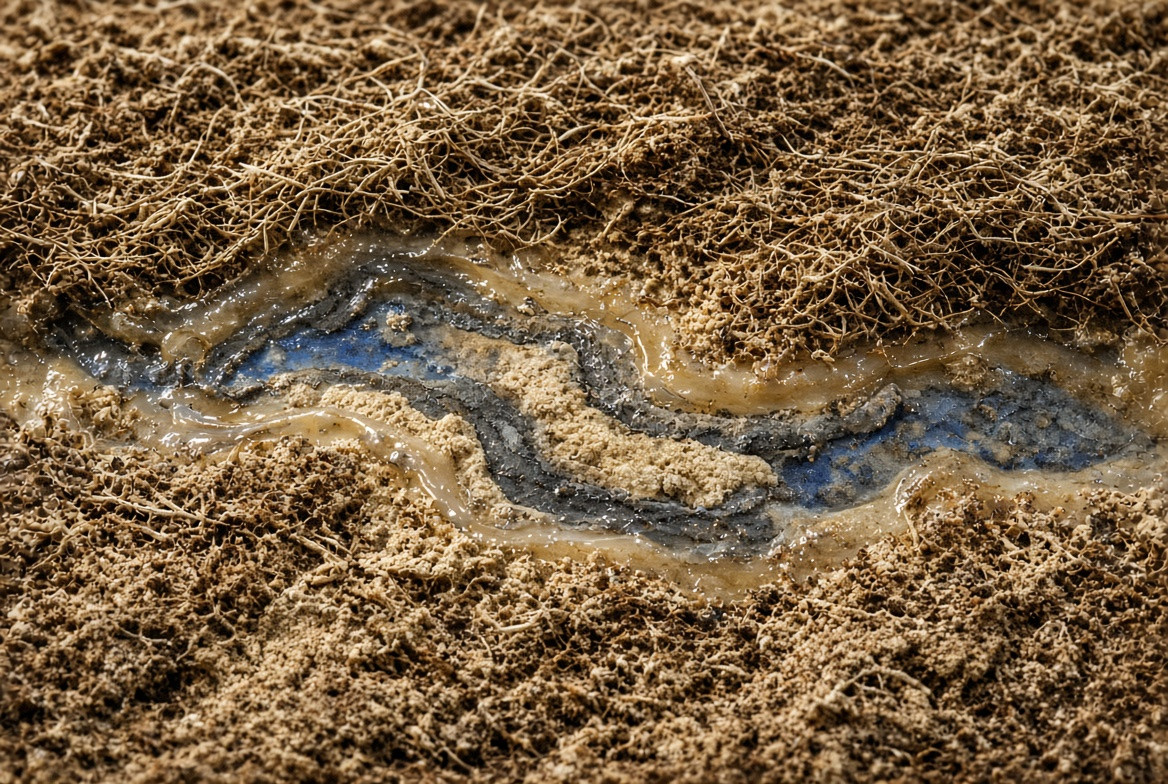
Move the reading, not the land.
Elevation moves the visual emphasis from high ground toward the living edge. Season moves from thaw through growth, a dry interval and leaf-fall. These controls rearrange attention inside a fictional study; they are not measurements, forecasts or current conditions.
The result is a gentle comparison tool. One scene may make cover easy to notice. Another may make an opening or hard seam more visible. Rootwater asks what connects, what slows, what gathers and what should be viewed beside something else.
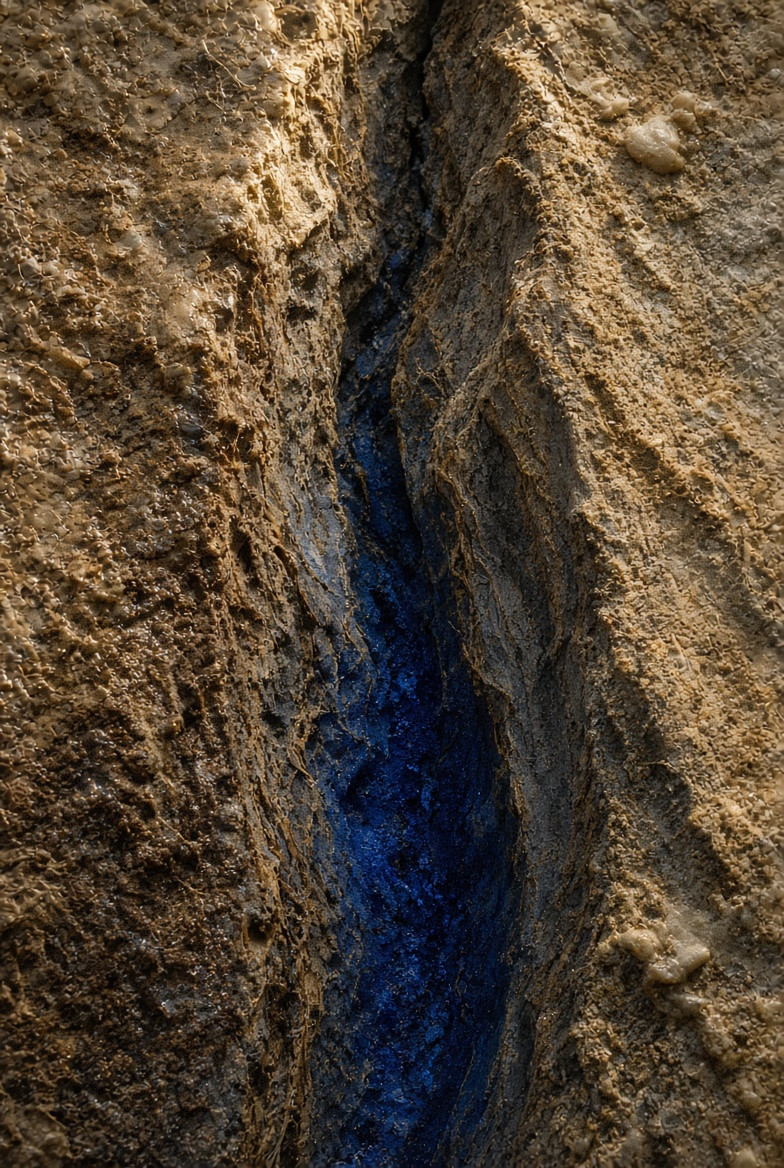
A Meander keeps only the route.
After several choices meet, Rootwater forms a confluence. You can remove one thread, continue downstream, or keep the sequence as a Meander. The saved path contains built-in scene choices and the two reading positions—never a name, note, photograph, coordinate or environmental report.
Reopen the Meander to return to its last visible relationship. Release it when the question has run its course. The reward is not a score or streak; it is a more connected way of looking.
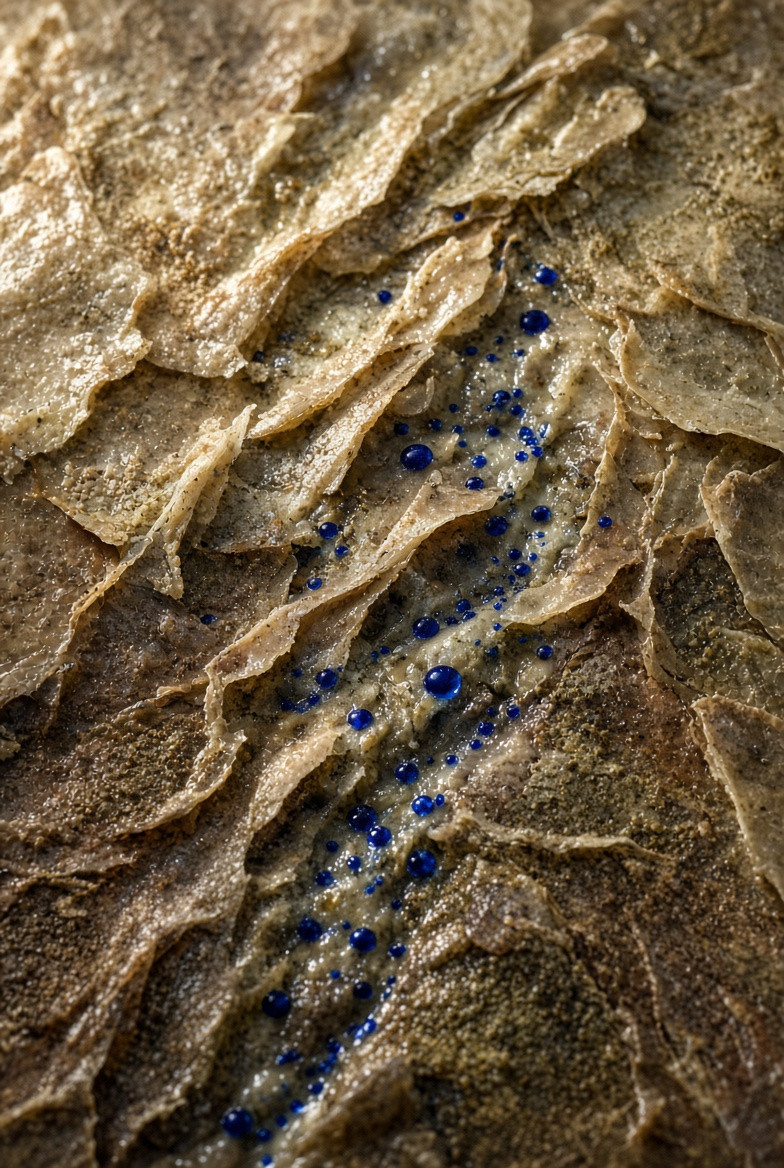
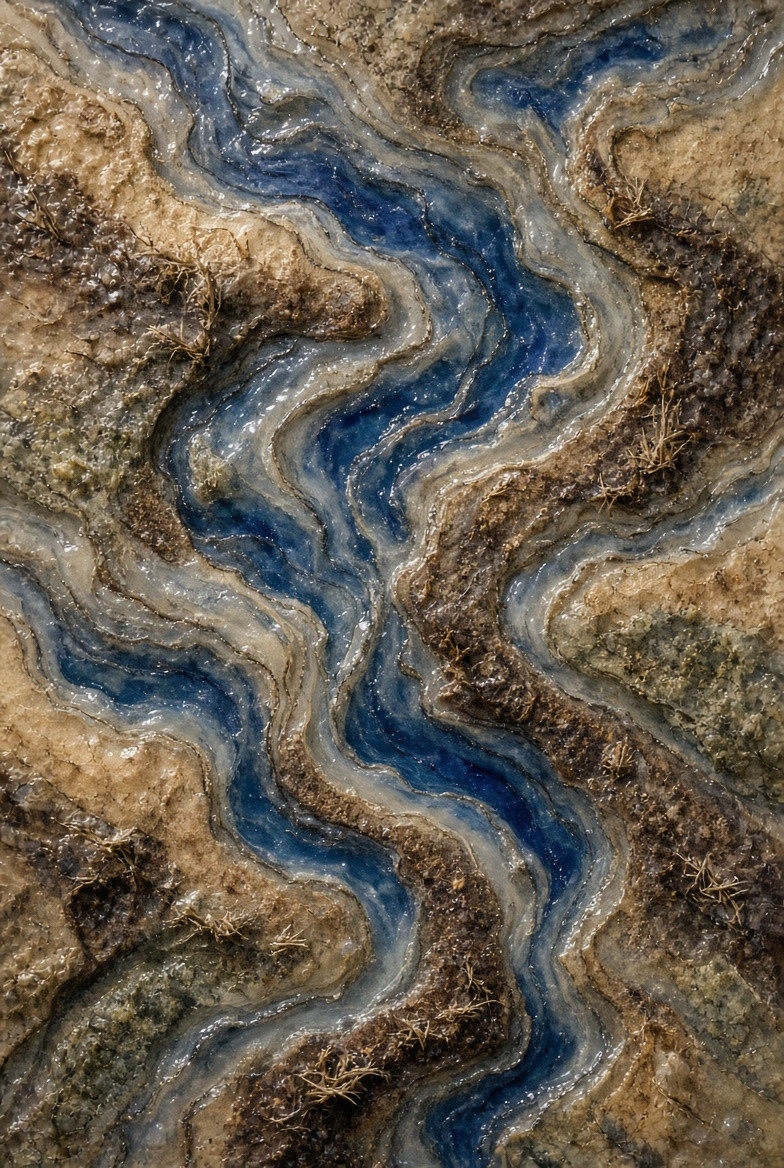
Let several edges arrive together.
At a confluence, Rootwater places the most recent reliefs in one spatial comparison. The copy stays outside the artwork. Nothing is labeled as a diagnosis or ideal condition; the user decides which relationship deserves another look.
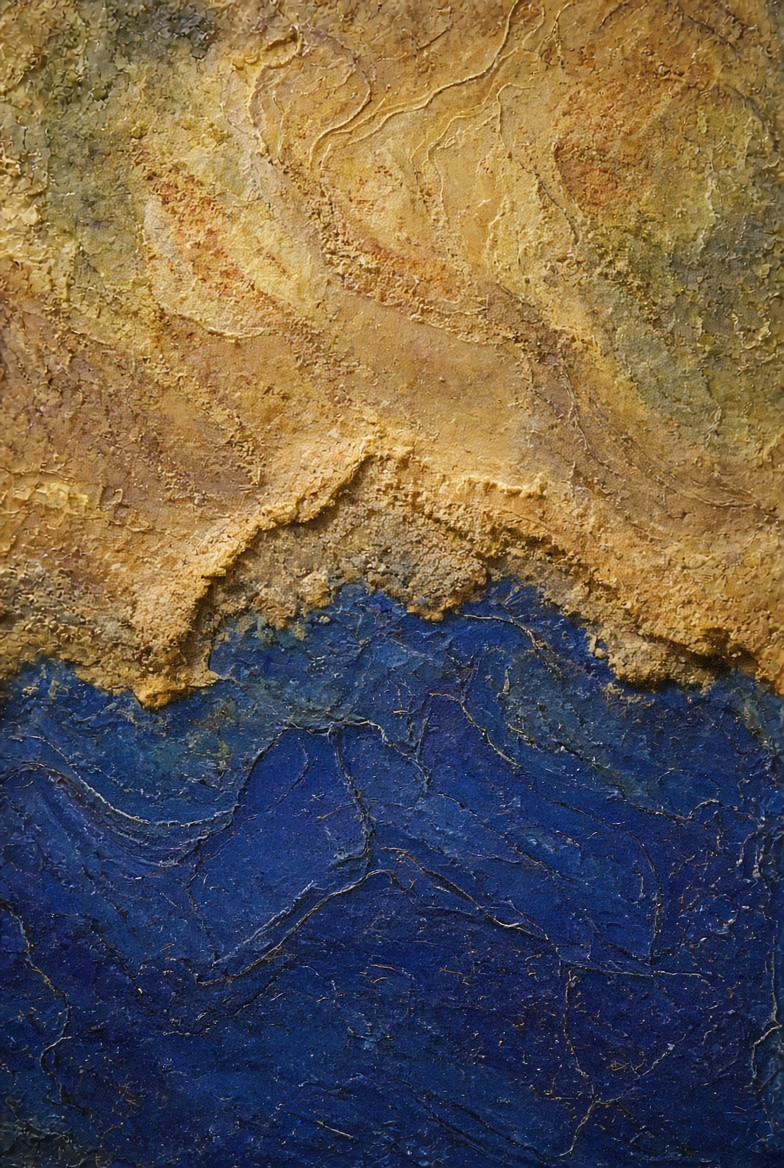
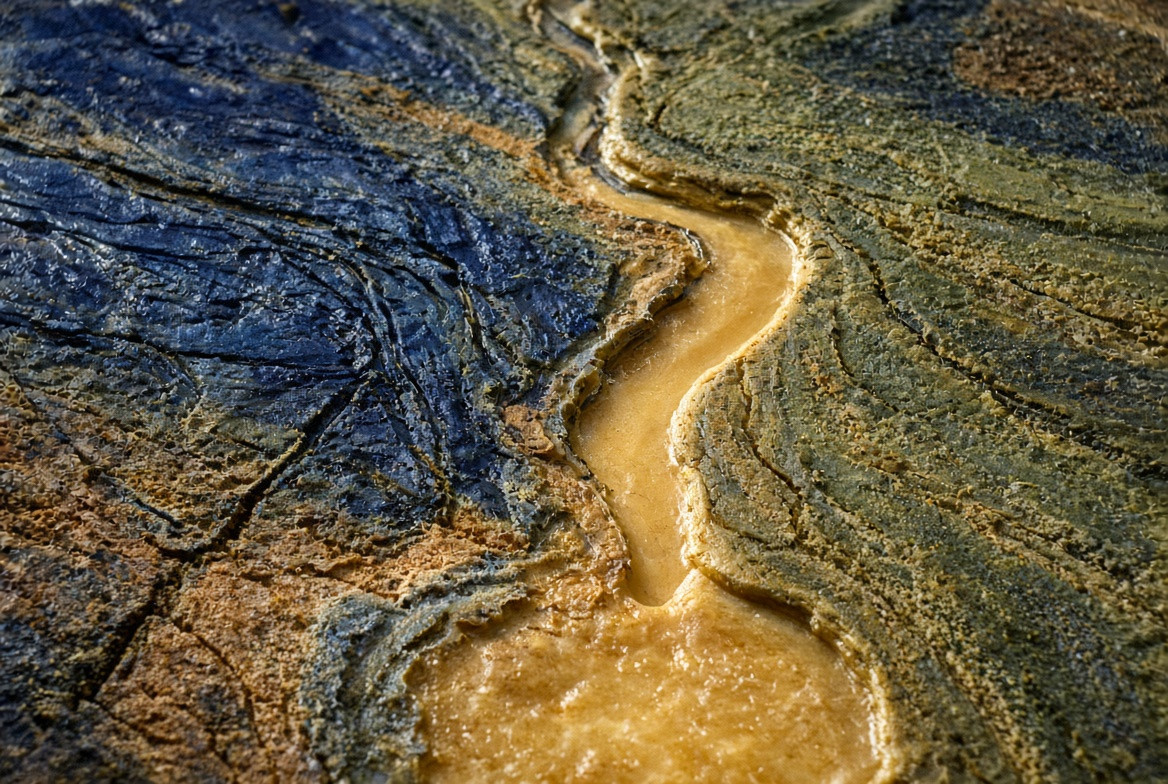
Across eighty app scenes, the visual rhythm changes from high arrivals and built edges to soil passage, root cover, low gathering, moving channels, living margins, shoreline meetings and seasonal return.
The path ends open.
Rootwater offers conservation literacy through fictional composite landscapes. It does not identify a real place or species, monitor water, accept environmental reports, make permit decisions or replace local professional guidance.